

Food scraps belong in the green bin
Food Organics and Garden Organics, or FOGO, is a kerbside collection service for food scraps and garden waste. Once collected, these materials are processed into compost and other useful organic products.
Food scraps should not be sent to landfill, where they break down and produce methane, a powerful greenhouse gas. Sending food waste to landfill also incurs higher disposal costs than processing it through the FOGO system. By placing food scraps in the green bin, residents can help reduce emissions and give this valuable organic material a second life as compost.
LGA (Local Government Association) South Australia highlights how much of your red bin general waste could go in the green FOGO bin.
They estimate that around 36 per cent of what ends up in household general waste bins could actually be composted.
This includes fruit and vegetable scraps, leftovers, meat, bones, coffee grounds, garden material and more. Placing these items in the green bin keeps them out of landfill and allows them to be processed into a valuable resource.
Why give it a go?
LGA South Australia recently reported impressive environmental results from councils across the state that have introduced FOGO collection services.
Households now have nearly 3kg less waste each week.They’ve reported that landfill waste drops by between 23 and 42 per cent, while FOGO material increases by up to 130 per cent when councils implement FOGO collection services.
These results show how a simple change at home can make a significant difference across a community.
Green Industries SA explains the financial benefits for councils too.
Improving the collection of food waste lowers waste management costs, reduces greenhouse gas emissions and creates a valuable resource like compost.
The more organic material Riverland households place in the green bin, the less material needs to be sent to landfill, helping make better use of local waste services and resources.
Adding food scraps to your green bin might take a little getting used to, but once it becomes part of your daily routine, it can be an easy way to reduce the amount of waste going into your red bin.
Start small. Try collecting your food scraps in a container on the kitchen bench for a few days and see how much you collect. You might be surprised by how quickly it adds up.
What can go in the green bin?
A simple way to remember FOGO is:
If it grows, it goes.
Food scraps and garden organics that can go in the green bin include:
- Fruits and vegetables
- Meat, seafood and bones
- Dairy products and eggshells
- Bread, rice, pasta and other cooked food
- Coffee grounds and tea leaves
- Suitable food-soiled paper products, such as paper towel, and tissues and cardboard
- Grass clippings, weeds and flowers
- Sticks, prunings and small branches
- Certified compostable packaging with the seedling logo
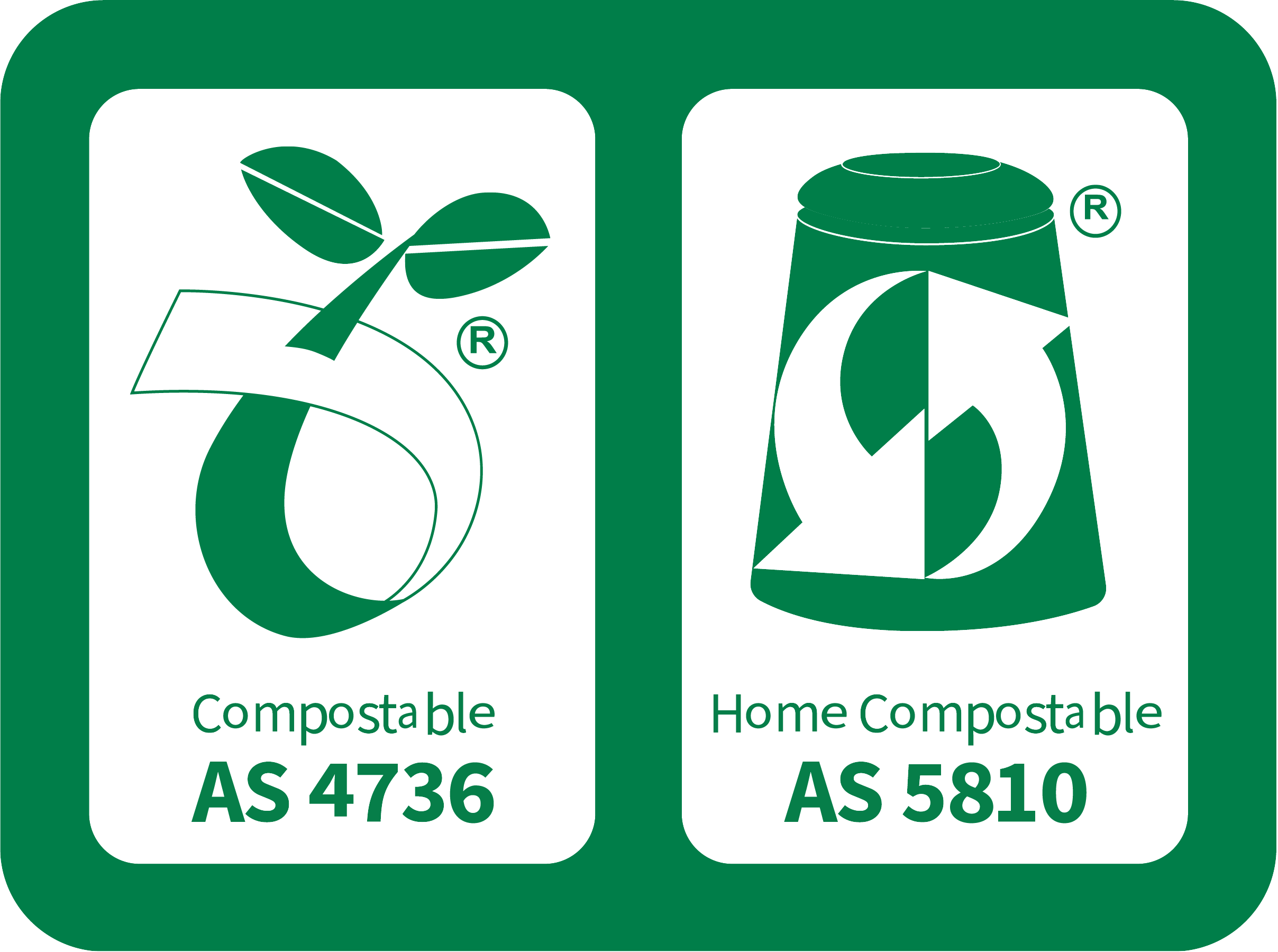
Keep plastic bags, soft plastics, plastic packaging and other non-compostable items out of the green bin. Contamination makes it harder to produce a high-quality compost.
If you’re unsure what can go in your green FOGO bin, check the Which Bin website.
What about fruit fly?
All food scraps, including fruit and vegetables, can go in the green FOGO bin. The Riverland’s FOGO collection and composting process has been assessed by PIRSA (Department of Primary Industry and Regions) as presenting a low fruit fly risk.
The only exception is fruit or vegetables that contain, or are suspected of containing, fruit fly. These items should be double-bagged in plastic and reported to PIRSA’s 24-hour Fruit Fly Hotline on 1300 666 010.
Do not freeze the fruit, larvae or flies, as this may impair testing if PIRSA needs to examine them.
For more information, visit the PIRSA Fruit Fly website.
Frequently asked questions
Collecting food scraps is easy! Reuse an old ice-cream tub or similar container and keep it on your kitchen bench or under the sink. Place food scraps and leftovers into the container while preparing meals or clearing plates, then empty the contents into your green FOGO bin regularly.
Food scraps can go in the green bin, but fruit fly restrictions apply to certain fruit and vegetables during outbreaks. Check the latest PIRSA advice before disposing of restricted produce.
No. Ordinary plastic bags cannot go in the green bin. Food scraps can go in loose, wrapped in paper, or in a certified compostable bag.
Keeping the lid closed and layering food scraps with garden material can help manage any potential odours. You can also freeze strong-smelling scraps such as meat or fish until collection day.
Material collected from your green bin is taken to the Monash Transfer Station before being transported to Peats’ composting facility at Langhorne Creek. Food scraps and garden organics are processed together to create valuable compost for use on farms and in gardens.
Sources:
LGA sponsored article in InDaily: https://www.indailysa.com.au/news/just-in/2025/11/18/turning-scraps-into-solutions-how-sa-councils-are-leading-the-fogo-movement
Green Industries SA article: https://www.greenindustries.sa.gov.au/reforming-household-waste