
Food Safety Week 2026
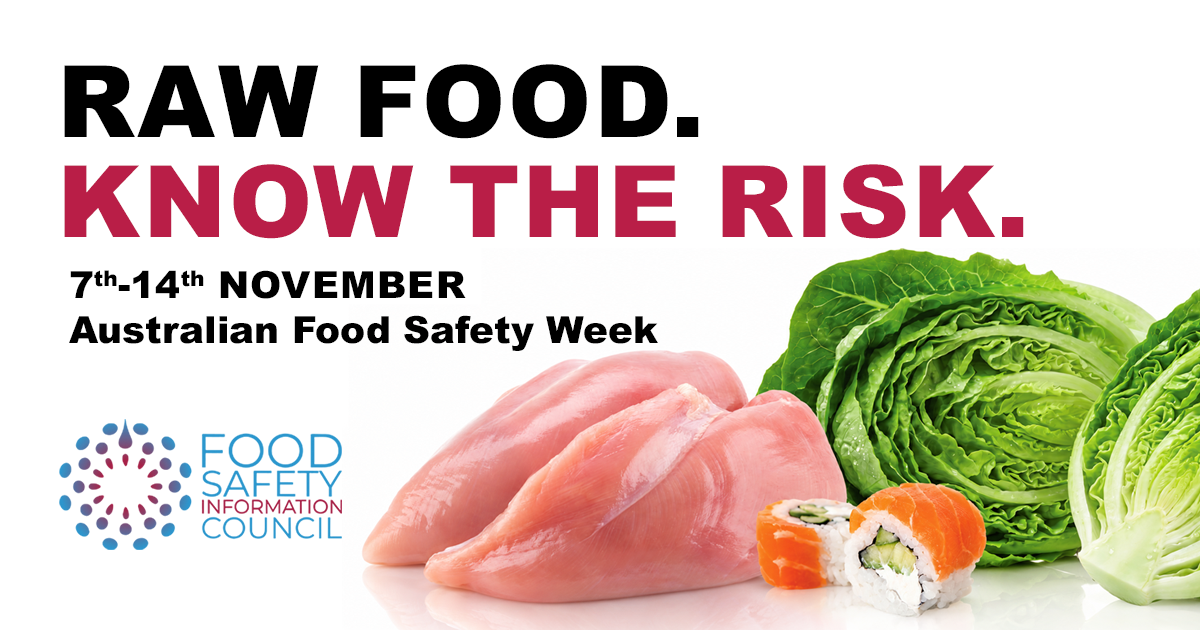
The District Council of Loxton Waikerie is proud to support Australian Food Safety Week 2026 from 7 to 14 November 2026, helping to raise awareness of safe food handling practices across our community.
This year's theme, "Raw Food – Know the Risk", highlights the importance of understanding the risks associated with eating raw or undercooked foods and how simple food safety practices can help prevent foodborne illness.
Test your knowledge: Take our Food Safety Week Quiz and be in the chance to WIN a food safety pack!
Simple steps to reduce your risk include:
Clean hands will decrease the possibility of food poisoning and other diseases markedly.
Remember the 20/20 rule:
- Wash hands for 20 seconds with warm soapy water
- Dry hands for 20 seconds before starting to cook
- Repeat frequently especially after handling raw meats or vegetables with visible soil.
You can find more tips on hand washing here
DO Wash fresh fruit and vegetables under running water before eating.
DO NOT use soap, disinfectants or detergents to wash your food. These cleaning products aren't designed for human consumption. They may actually be unsafe to use with food.
DO NOT wash raw chicken before you cook it - it could spread harmful microorganisms around your kitchen.
Watch video about washing your chicken here.
Microganisms from raw meat, poultry, seafood, and eggs can spread to fruits, vegetables, cooked foods and other ready-to-eat foods unless you keep them separate.
Tips for ensuring you don't cross-contaminate:
- Use one cutting board and knife to prepare raw meats and another set for foods that will not be cooked before being eaten (e.g. salad ingredients).
- Don't put cooked meat on a plate that had raw meat on it.
- Store food in containers to avoid contact between raw and ready-to-eat foods.
- Watch video about keeping food separate and food safety at home here
Bacteria grow fastest between 5°C and 60°C. Keep cold food below 5°C, hot food above 60°C, and don't leave food sitting out for long. Following these simple steps can help prevent food poisoning and keep your family safe.

Two hour/four hour rule
Use the two-hour/four-hour guide below to work out what action you should take to avoid food poisoning if potentially hazardous food is held at temperatures in the danger zone.

Click here for more information
Firstly, we suggest you purchase and use a digital meat thermometer and cook your foods safely to these temperatures measuring in the centre of the food:
- Beef, lamb, kangaroo in whole cuts like chops, steaks, pieces and roasts at least 63°C (medium rare) and leave to rest 3 to 5 minutes
- Pork steaks and pieces to 70°C and roasts to between 70°C and 75°C and leave to rest 3 to 5 minutes
- Sausages, mince, poultry, rolled roasts, liver and other offal 75°C
- Reheated leftovers 75°C
- Fish fillets 63°C or when flesh flakes easily
- Eggs and egg dishes such as quiche 72°C or until white is firm and yolk thickens
Find out more about safe cooking temperatures here.
Eating raw food is a risk.
Like any raw food, raw fish dishes such as sushi, sashimi and ceviche can pose food safety risks including by parasites. Find out more about the risks of consuming raw seafood here.
As part of Food Safety Week Council is offering free food safety activities for local schools and childcare centres, including:
- Hand hygiene demonstrations.
- Food safety colouring activities.
- Spot the Difference food safety activities.
- Germ awareness and safe food handling education.
For food businesses - All food businesses in Australia have to comply with requirements in the food safety standards.
Get involved and help spread the message!
Visit the Food Safety Information Council website to access free resources, fact sheets and activities for families, schools and community groups.
For more information or to arrange a school or childcare centre visit, please contact Council's Environmental Health Team on (08) 8584 8000.
Together, we can help reduce foodborne illness and keep our community safe.