

Second Life for Food Scraps
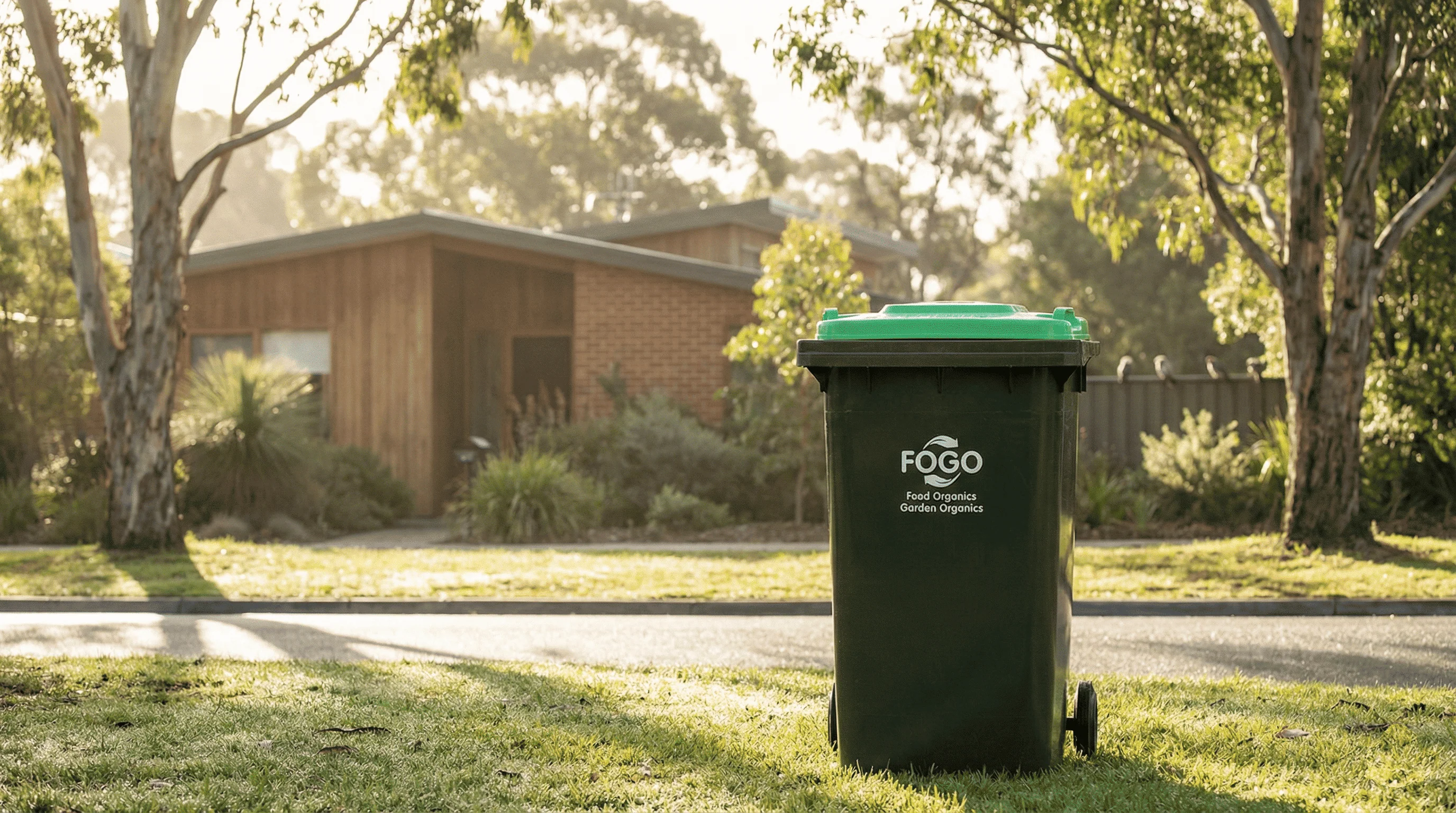
Riverland residents with a three-bin system are now encouraged to place their food scraps in the green bin alongside their garden organics.
There are no changes to your regular bin collection service. If your property has a green FOGO bin, you can start giving your food scraps a second life today.
Residents can feel confident that their food scraps can be placed in the green organics bin and safely processed through the Riverland’s existing Food Organics and Garden Organics (FOGO) system. In consultation with the Department of Primary Industries and Regions (PIRSA), the collection and composting of food waste through the Riverland’s FOGO system has been assessed as presenting a low fruit fly risk.
By making full use of this service, residents can help turn food and garden waste into compost, reduce the amount of waste placed in red bins and support more efficient, cost-effective local waste services.
Why put food scraps in the green bin?
Food scraps contain valuable nutrients and organic matter that can be recovered through composting. When placed in the green bin, your food and garden organics are collected and taken through the Monash Transfer Station before being transported to Peats’ composting facility at Langhorne Creek. At the facility, they are processed into compost for use on farms and gardens.
This compost helps improve soil quality and grow new plants and produce. Putting food scraps in the green bin also reduces the amount of waste sent to landfill, helping Councils manage waste more efficiently, reduce disposal and processing costs, and minimise pressure on future waste budgets.
Every household that uses its green bin correctly helps achieve a better result for the whole region.
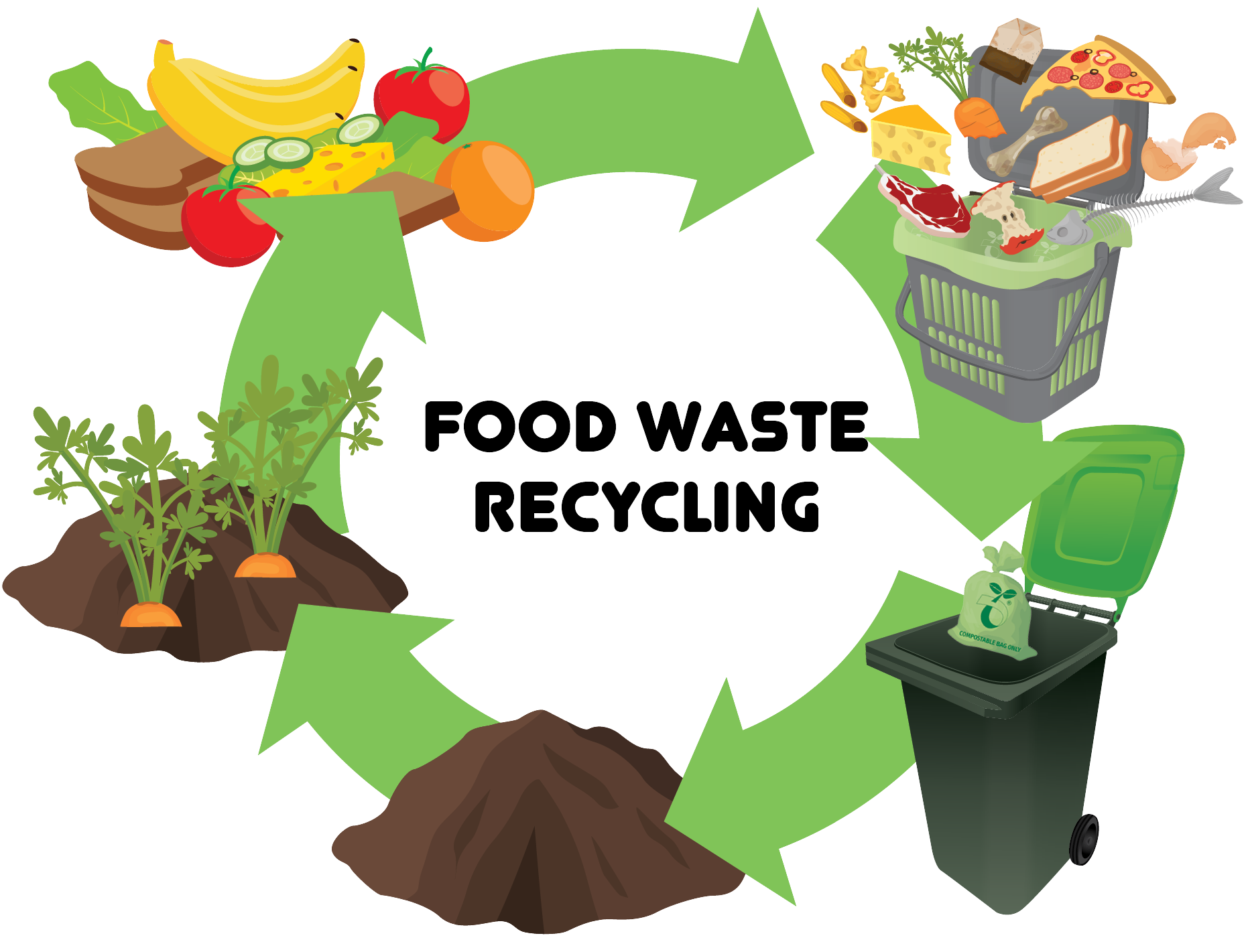
From Scraps to Soil
Food scraps → Green FOGO bin → Monash Transfer Station → Peats → Compost → Farms and gardens
What about fruit fly?
Protecting the Riverland from fruit fly has been an important consideration in introducing food scraps into the region’s FOGO system. The three councils in consultation with PIRSA, have assessed the collection and composting process as presenting a low fruit fly risk. Residents can feel confident placing everyday food scraps in their green FOGO bin.
- If you find suspected fruit fly in fruit at home, do not place the affected fruit in your green FOGO bin.
- Double-bag the fruit in plastic bags and call PIRSA's 24-hour Fruit Fly Hotline on 1300 666 010.
PIRSA, together with the Monash Transfer Station and Peats' composting facility at Langhorne Creek, will continue to monitor for the possible presence of fruit fly and respond accordingly if it is detected.
Learn more about disposing of homegrown fruit and vegetables
What food scraps can go in the green bin?
Your green FOGO bin isn't just for garden clippings. You can also use it for food scraps including:
- fruit and vegetable scraps
- meat, seafood and bones
- bread, pasta and rice
- cooked food and leftovers
- dairy products
Remove food from any plastic packaging before placing it in your green bin.
Not sure where something goes? Check the Which Bin website for the latest information.
Tips and tricks for your green FOGO bin
Using your green FOGO bin for food scraps is easy, and a few simple tricks can help keep your kitchen caddy and green bin clean and fresh.
Start with a kitchen caddy
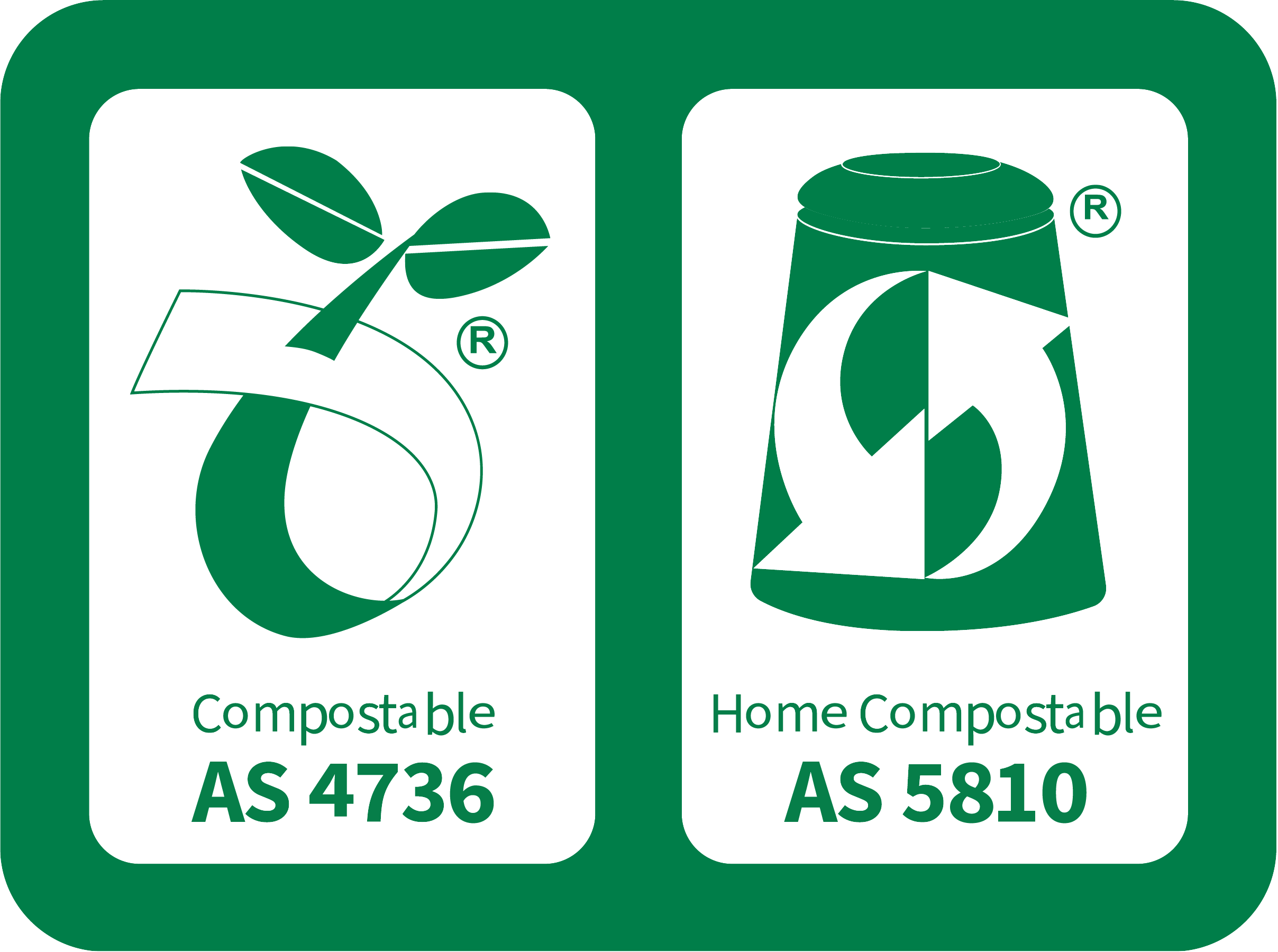
Purchase a small kitchen caddy and place on your benchtop or under the sink to collect food scraps as you cook and clean up. Line it with a certified compostable bag to make transferring your scraps to the green bin quick and easy.
Only use bags marked as certified compostable to Australian Standard AS 4736 or AS 5810. Regular plastic, biodegradable and degradable bags don't belong in your green FOGO bin.
Freeze the smelly stuff
Prawn shells, seafood, meat scraps, bones and other strong-smelling food can be kept in the freezer and transferred to your green FOGO bin the night before collection. It's an especially handy trick during warmer weather.
Layer food scraps with garden material
Add leaves, lawn clippings, shredded paper or other dry garden material over food scraps in your green bin. Layering wet and dry materials helps absorb moisture and reduce odours.
Keep it cool
Where possible, keep your outdoor green bin out of direct sunlight. A cooler bin means fewer odours, particularly during the Riverland's warmer months.
Give your bins an occasional clean
Rinse your green bin regularly. Keeping food residue from building up helps prevent smells and pests.
Put your green bin out for collection
Even if it isn't full, putting your FOGO bin out on its scheduled collection day helps prevent food scraps sitting in the bin for longer than necessary.
Did you know?
FOGO stands for Food Organics and Garden Organics. Your green bin can be used for both.
Food scraps can become a valuable resource. Once composted, the nutrients and organic matter in your food scraps can be returned to the soil.
Your scraps go on quite a journey. Riverland FOGO material travels through the Monash Transfer Station to Peats at Langhorne Creek, where it is processed into compost.
Using your FOGO bin can help reduce waste costs. Keeping food scraps out of the red bin reduces the amount of waste requiring landfill disposal and associated processing costs for Councils and ratepayers.
Frequently Asked Questions
Yes. If you have a green FOGO bin, you can use it for food waste and garden organics.
The three Riverland Councils and PIRSA have been working together to assess the management and composting of food waste in relation to fruit fly. This process has determined that composting food waste through the Riverland's FOGO system presents a low fruit fly risk, allowing Councils to provide clear and consistent information to residents about using their green bins for food scraps.
The process has been assessed as low risk. PIRSA, the Monash Transfer Station and Peats will continue monitoring for the possible presence of fruit fly and will respond if it is detected.
Do not place affected fruit in your green FOGO bin. Double-bag it in plastic bags and call PIRSA's 24-hour Fruit Fly Hotline on 1300 666 010.
Your FOGO material is taken through the Monash Transfer Station and transported to Peats' composting facility at Langhorne Creek. It is processed into compost that can be used on farms and gardens to improve soil quality and help grow plants and produce.
Food scraps contain valuable nutrients and organic matter that can be recovered through composting. Putting them in your green bin also reduces the amount of waste requiring landfill disposal and associated processing costs.
Most food should be removed from its packaging before going into the green bin. Food-soiled paper and cardboard packaging, such as takeaway burger boxes and pizza boxes, can go in the green bin, along with certified compostable bags and packaging – look for the seedling logo. Other packaging should be separated and placed in the appropriate bin.
No. There are no changes to your regular bin collection service as part of this campaign.
FOGO services are generally available within Riverland townships but may not be available to some rural properties. Check with your Council to find out what services are available at your property. If you don’t have a green FOGO bin, continue disposing of your food waste as you normally would.
Visit the Which Bin website to check how to dispose of different household items correctly.
Yes, if you have a green FOGO bin, you can use it for food waste and garden organics including excess homegrown produce unless you suspect fruit fly.